
What Makes an International School Truly Multicultural
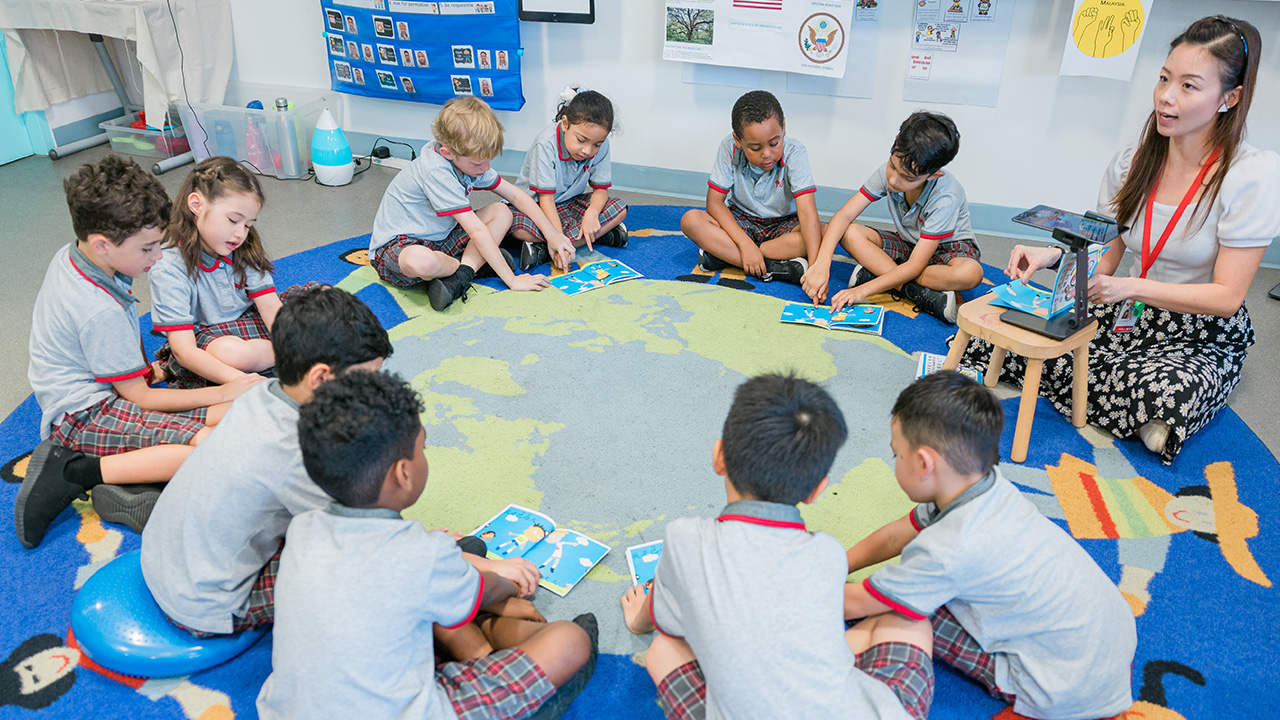
Most parents want their child to thrive in a place that feels safe and truly welcoming. A multicultural environment gives them far more than a good set of grades or test results. It shapes how they see the world, relate to others, and handle differences with confidence.
Cultural exposure at a young age builds empathy, resilience, and an openness that no single textbook can teach. The friendships formed across languages and traditions tend to be among the most meaningful a child will ever make. This article highlights six defining qualities that make a global school genuinely and meaningfully multicultural.
1. A Student Community That Reflects the Whole World
Families relocate across continents, and an international school must feel like a genuine second home. When pupils from over 70 nationalities share the same corridors and lunch tables, diversity becomes reality. Children who grow up in such environments develop a natural ease with difference that stays lifelong.
What matters even more is the deliberate effort to keep the community balanced across nationalities. Some institutions enforce a nationality cap to prevent any single group from dominating the cultural mix. The result is a space where no child feels like the majority, and curiosity thrives.
2. An Inclusive, Non-Denominational Ethos
The word “inclusive” can sound like a policy document, but in practice, it shows up differently. A truly multicultural school is non-denominational, holding no single faith or tradition above another in everyday life. Students of different religions and ethnicities are welcomed on equal terms, and that equality is visible.
This kind of institutional neutrality is not passive; it requires active choices at every leadership level. When faculty and staff visibly model respect for diversity as a core value, children absorb it. The ethos of a place is caught more than it is taught, and that matters enormously.
3. Curricula Rooted in Intercultural Understanding
The curriculum is where multicultural values are either genuinely reinforced or quietly abandoned over time. Programmes such as the IB Primary Years Programme are built around intercultural mindedness and critical inquiry. Students are not simply told other cultures matter; they are asked to explore and connect meaningfully.
Also, the Cambridge pathway adds a complementary layer, as it is recognised by institutions across every continent. A child who moves between countries does not lose continuity in their education, which reassures families greatly. When the curriculum transcends borders, knowledge becomes a shared, universal possession rather than a national one.
4. Language Acquisition as a Cultural Bridge
Language is not simply a communication tool; it is a carrier of identity, history, and thought. A reputed school that prioritises language acquisition gives students multiple entry points into cultures beyond their own. Bilingual programmes and mother-tongue support send a clear message that every language in the room has worth.
The social benefits of this extend well beyond what happens inside a classroom on any given day. Strong language exposure also helps pupils develop confident communication skills during multicultural discussions, presentations, and collaborative academic activities. Language support helps newly arrived families settle faster, and that confidence radiates back into the community.
5. Pastoral Care Designed for a Diverse Community
Relocation to a new country becomes one of the most disorienting experiences a child can face. A school that understands multiculturalism invests in pastoral care that accounts for cultural transition, not just grades. Counsellors trained to recognise displacement and cultural homesickness are an essential part of this whole infrastructure.
Beyond individual support, pastoral systems in multicultural environments must ensure that no student feels invisible or overlooked. When a school tracks social wellbeing and emotional resilience alongside grades, it signals the whole child matters. Children who feel genuinely seen tend to extend that same attentiveness to their peers around them.
6. Co-Curricular Programmes That Celebrate Varied Talents
Culture expresses itself through art, music, sport, and drama far more vividly than through textbooks alone. A broad co-curricular programme gives learners from every background a stage to contribute something distinctly their own. A rich after-school provision ensures that identity and talent are both recognised and genuinely valued by peers.
These shared experiences outside the formal timetable are where the most genuine cross-cultural bonds are formed. A football pitch or drama rehearsal strips away social awkwardness in ways a classroom rarely can. This is the quiet work of multiculturalism, a human connection that accumulates over the years into something truly lasting.
A truly multicultural international school does far more than bring students from different countries under one roof. The qualities within this article form essential foundations that support meaningful global education experiences for students worldwide. Find the right school for your child and give them the cultural foundation, the global perspective, and the bright future they truly deserve.