
Can Early Childhood Schools Improve Social and Emotional Skills?
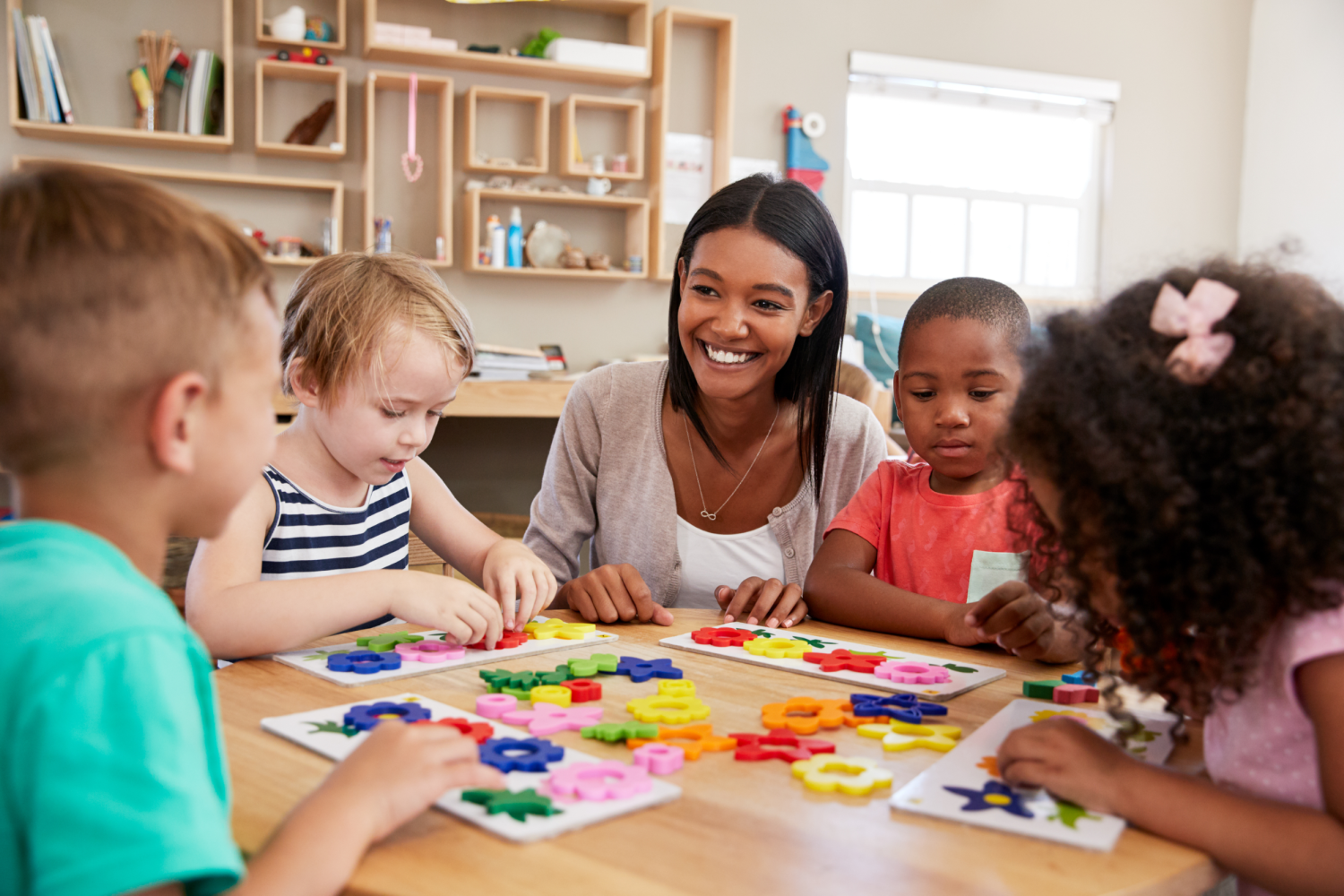
Early years are a vital phase for social and emotional growth. Children learn how to share space, express needs, and respond to others. A calm class routine may help them feel secure and more open to peers. This article looks at how early education can support these skills with care.
1. A Safe Start for Confidence
A warm class space can help a child feel less anxious at the start of the day. An early childhood school may help improve trust through steady routines, kind adults, and age-appropriate tasks. When children know what to expect, they may feel more able to take part.
Confidence grows through small wins, such as choice time, class talk, and care for personal items. Teachers can guide children to ask for help, try again, and express feelings in simple words. This can aid self-belief without pressure or praise that feels too much.
2. Peer Contact and Shared Play
Social skill growth starts when children spend time with peers in a safe space. Play-based tasks give them chances to share toys, wait for a turn, and solve small disputes. These moments may look simple, yet they carry real value for early social habits.
A child may learn that another person has ideas, needs, and feelings too. This can support empathy, patience, and respect for personal space. In a diverse class, peer contact can also help children accept different family cultures and home habits.
3. Emotion Words and Self-Control
Young children can feel strong emotions before they have the words to explain them. A teacher can help by naming feelings such as sad, cross, proud, shy, or calm. This may help children link inner states with clear words and safer choices.
Self-control also grows through practice. Short routines, songs, stories, and role play can help children pause before a reaction. Over time, this may improve how they handle delay, loss, or a change in plan.
Signs of Social and Emotional Growth
Parents and teachers may notice small shifts, such as:
- More comfort at drop-off
- Better to take turns during play
- Clear words for feelings
- More care toward peers
- Less distress after small setbacks
4. Kindness as a Daily Habit
Kindness becomes easier to learn when it is part of class culture. Children may see it through the teacher’s tone, peer care, story time, and class rules. Simple acts such as helping with a toy or a gentle word can shape daily conduct.
A values-led approach may help children connect choices with impact. For example, a child can learn that a kind act can make a peer feel safe. This can support social trust and a more peaceful class mood.
5. Inquiry and Choice for Independence
Inquiry-led early years work gives children space to ask, test, and share ideas. This may help them feel that their voice matters in class. Choice within safe limits can also aid independence and personal responsibility.
An early childhood education private school may use play, art, outdoor tasks, and group projects to support this type of growth. The aim is to help children build habits that support later study. Independence may grow when children put away materials, choose a task, or explain what they tried.
6. Language, Culture, and Care
Language has a strong role in social and emotional skills. When children hear clear and respectful words, they may copy that tone with peers. A rich language space can support class talk, story retell, and polite request words.
Cultural exposure can add another layer of growth. Children may hear different accents, see varied customs, and learn that families can have many traditions. This may help improve respect, open-minded thought, and comfort in a mixed community.
7. Teacher Role and Family Link
Teacher care matters because young children need close support to feel safe. Low ratios can help adults notice mood shifts, peer concerns, and social progress. This may aid early response before small issues affect class comfort.
Family contact can make support more consistent. When adults share notes about sleep, mood, or social change, the child receives steadier care. This link may help improve trust between home and class, which can support emotional security.
An early childhood school can help social and emotional growth when care, play, peer contact, and routine work are combined. The gains may appear in small ways, such as calmer goodbyes, kinder words, and more self-control. No programme can promise the same result for every child, since pace and temperament differ. Still, a thoughtful early years setting may give children a strong base for confidence, empathy, and future class life.