
Why Lightweight Wristbands Suit Walking, Work, Travel, and Exercise
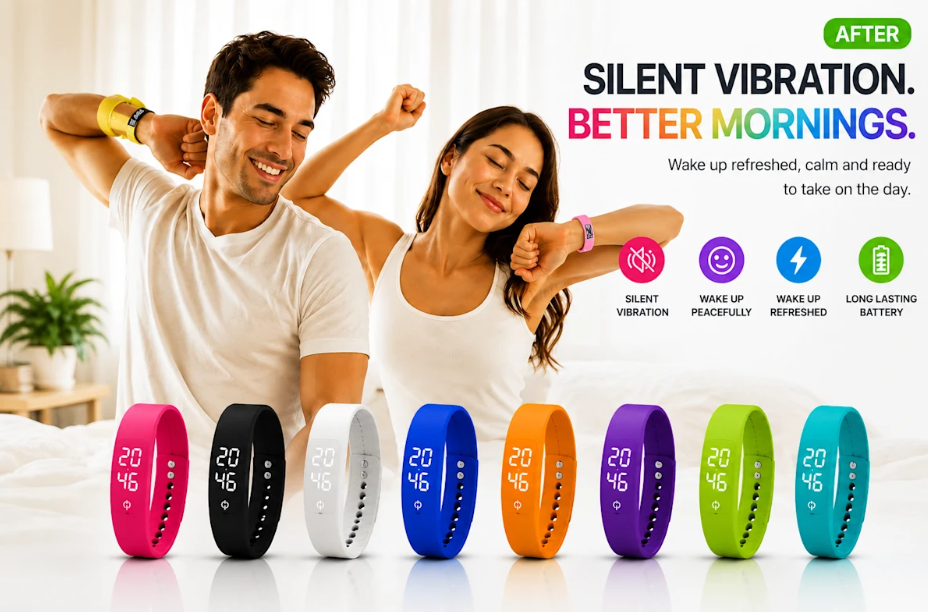
A wearable device may offer several useful functions, but its real value depends on whether it can be worn comfortably throughout the day. If a fitness band feels bulky, heavy, or distracting, users may remove it during work, exercise, or rest. That interruption makes activity records less consistent and limits the usefulness of wrist-based alerts.
Lightweight wristbands address this issue by keeping essential functions in a compact format. They can provide vibration alarms, step tracking, and general movement awareness without requiring a large device on the wrist. For people moving between different activities and environments, this simplicity can be especially valuable.
The design of VIBE LOOP activity bans reflects the idea that wearable technology should fit naturally into daily routines. A single band can be used during a morning walk, an office schedule, a journey, an exercise session, and a quiet evening without feeling like separate equipment for each activity.
Why Weight Matters in a Wearable Device
The difference between a lightweight and heavy wearable may appear small when a product is held for a few seconds. After several hours on the wrist, however, even a modest difference can affect comfort.
A heavier device may shift during movement, press against the wrist when typing, or feel noticeable during sleep. It can also pull against the strap during exercise, requiring the wearer to tighten it more than they would prefer.
A lightweight band distributes less pressure across the wrist. This can make it easier to wear for extended periods and may reduce the temptation to remove it between activities.
Weight is not the only consideration. A band should also feel secure and reasonably durable. The best everyday design combines a compact body with a strap that holds the device in place without creating uncomfortable pressure.
A Convenient Choice for Walking
Walking is one of the most accessible forms of daily movement. It may happen as a planned activity, during a commute, while shopping, or simply as part of moving around the home and workplace.
A lightweight band can record general step activity while remaining relatively unobtrusive. The wearer does not need to carry a phone in their hand or remember to move it from a desk before walking.
Step information can help people recognize patterns in their routines. Someone may discover that commuting days naturally involve more movement than days spent at home. Another person may notice that a short evening walk makes their routine more active.
These numbers should be treated as estimates, not exact medical measurements. Different devices and movement patterns can affect step counts. The information is most useful when users compare their own habits over time rather than competing with someone else’s results.
A lightweight wristband supports that awareness without turning a simple walk into a complicated technical activity.
Supporting Movement During the Working Day
Many jobs involve long periods of sitting. Office workers, drivers, students, and people working remotely may become absorbed in tasks and remain in one position for hours.
A fitness band can make this pattern easier to notice. A quick look at the day’s movement may encourage the wearer to take a short walk, refill a water bottle, or move between tasks when circumstances allow.
Vibration alerts can also serve as discreet reminders. Instead of playing an audible sound during a meeting or in a shared workspace, the band can produce a private signal against the wrist.
This does not mean every vibration must interrupt work immediately. The user can select reminder times that fit their responsibilities. The purpose is to support awareness, not create another source of pressure.
A slim, lightweight band may also sit more comfortably beside a keyboard than a larger device. It is less likely to press against the desk or become caught beneath a shirt cuff. For people who type throughout the day, these details can determine whether the band remains comfortable.
Making Wearables Easier to Manage While Traveling
Travel involves frequent changes in location, schedule, and routine. Airports, railway stations, hotels, and unfamiliar streets can all require more walking than expected.
A lightweight wristband is easy to keep on during these transitions. It does not take up space in a pocket or require the traveler to hold another device. General movement tracking continues while luggage is carried, platforms are crossed, or new locations are explored.
A vibration alarm may be useful in shared accommodation because it provides a more personal waking method. It can help a traveler wake early without placing a loudly ringing phone beside the bed.
Wearers should confirm alarm times carefully when crossing time zones. They should also check the battery before an important morning and use an appropriate backup for flights, trains, or appointments that cannot be missed.
Charging accessories should be packed in a consistent location. A lightweight wearable may be easy to carry, but it still depends on having access to the correct charging cable.
Comfortable During General Exercise
A wearable used during exercise must remain stable as the wrist moves. If the device is heavy, it may slide or pull against the strap. A compact band can feel more balanced during walking, stretching, light workouts, and general fitness activities.
The strap should be adjusted securely but not excessively tightly. A fit that works while sitting may need slight adjustment before exercise. Heat and movement can change how the band feels against the wrist.
After activity, the strap and skin should be cleaned and dried according to the manufacturer’s guidance. Sweat and moisture trapped beneath a band can cause discomfort, particularly when it is worn for the remainder of the day.
Users should also check the stated water-resistance level. General phrases such as “life waterproof” do not necessarily mean that a device can be used while swimming, showering, or fully submerged. Product-specific instructions should always guide exposure to water.
A fitness band can provide useful movement awareness, but it should not be treated as medical or diagnostic equipment. Anyone beginning a demanding exercise program or managing a health condition should seek appropriate professional advice.
The Importance of Strap Design
A lightweight device still needs a comfortable strap. The material, flexibility, adjustment system, and fastening method all influence how the band feels during extended use.
Silicone straps can offer flexibility and are generally straightforward to clean. They may work well for walking, exercise, and busy daily routines. Woven or fabric straps can provide a softer feel and a different appearance, which some users may prefer for work or casual wear.
The right strap should keep the device in position without leaving deep marks. A loose fit may allow the band to rotate, while an overly tight fit can trap moisture and irritate the skin.
Wrist size also matters. Users should confirm that the available adjustment range will provide a secure fit. A design that feels comfortable on one person may not work equally well for another.
From Daytime Tracking to Quiet Waking
One advantage of a lightweight vibration band is that it can remain useful after daytime activities end. A person who wears the band overnight can use its vibration alarm as a quieter alternative to an audible alarm clock.
This feature may benefit couples with different schedules, parents who wake before their children, students sharing rooms, and travelers in shared spaces. The alert is delivered directly to the wrist instead of being projected across the room.
Overnight comfort is essential. The band should have smooth edges, a secure strap, and a compact profile that does not interfere with sleep. A device that feels comfortable during a walk may still need to be tested at night.
New users should test the vibration before relying on it. For an important appointment, a later backup alarm provides additional reassurance while the wearer becomes familiar with the device.
Choosing a Band That Fits Different Settings
A wearable intended for all-day use should look and feel appropriate in several environments. A person may wear the same band with work clothing, casual outfits, travel clothes, and exercise gear.
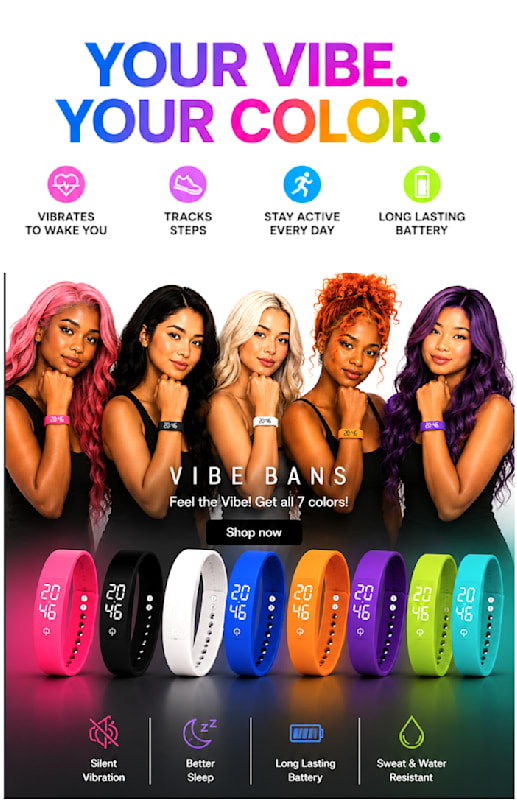
Neutral colors such as black, white, and blue can blend easily with different styles. Brighter options such as pink, purple, coral orange, and yellow-green can add personality and make the band a more visible accessory.
Appearance can influence consistency. If users feel that a band does not suit their workplace or personal style, they may remove it frequently. Selecting an appropriate color and profile can make continuous wear feel more natural.
People comparing options can review lightweight activity bans and consider how each format might fit their work, exercise, walking, and travel routines.
Keeping the Band Ready for Daily Use
A lightweight band requires little space, but it still needs regular care. A basic routine can help keep it comfortable and functional.
Users should:
- Charge the band before the battery becomes too low
- Keep the charging cable in a reliable location
- Clean the strap according to product instructions
- Dry the wrist and band after sweating
- Check the fit before walking or exercising
- Confirm vibration alarms before bedtime
- Remove the band if skin irritation appears
- Store it safely when it is not being worn
Charging can be scheduled during an activity when tracking is unnecessary, such as showering or sitting quietly. This minimizes gaps and helps ensure that the band is ready for overnight alarms.
Care does not need to be complicated. Consistent small actions are usually more effective than waiting until the device becomes uncomfortable or loses power.
How Digital Watches Compare
Digital and smart watches offer another type of wearable experience. Their larger screens may display information more clearly, while touchscreen controls and Bluetooth connectivity can provide access to additional functions.
A digital watch may suit someone who wants to interact with the device frequently, view more information directly on the wrist, or combine activity monitoring with a traditional watch-like appearance.
The larger format can also create tradeoffs. A full-size smart watch may feel more noticeable during exercise, typing, travel, or sleep. It can catch on clothing more easily and may require additional setup or charging attention.
For users primarily interested in step tracking, vibration alarms, and convenient daily wear, a lightweight VIBE LOOP Ban may offer a more focused solution. Those who want a larger interface and broader digital features may prefer a smart watch.
The decision should be based on real needs. More features are useful only when the wearer intends to use them.
One Wearable Across a Changing Day
A typical day can involve walking, desk work, commuting, exercise, travel, and rest. Constantly changing devices for each activity would be inconvenient. A lightweight wristband offers the flexibility to move between these settings without demanding much attention.
Its compact format can support step awareness during walking, discreet reminders at work, convenient tracking while traveling, and comfortable wear during general exercise. At night, a vibration alarm can provide a quieter way to wake.
Digital watches remain valuable for users who prefer larger displays and connected functionality. However, a lightweight band may be the more practical choice for people who prioritize simplicity, comfort, and continuous wear.
The most effective wearable is not necessarily the most advanced. It is the one that feels comfortable enough to remain on the wrist and useful enough to become part of everyday life.