
Why Kevlar Cut Resistant Gloves Are Important for Industrial Hand Safety
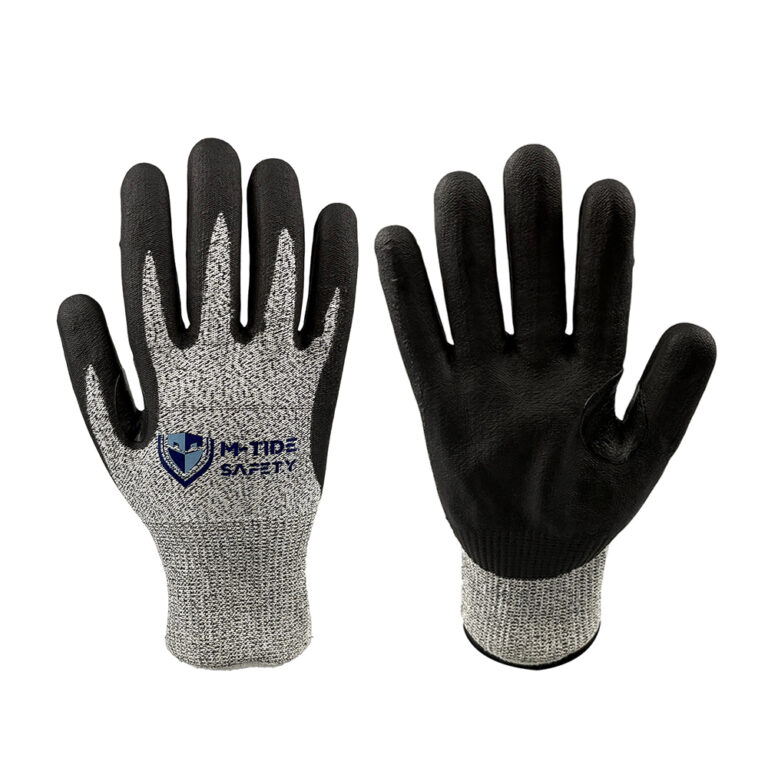
Hands are among the most exposed parts of the body in industrial workplaces. Employees working in metal fabrication, automotive manufacturing, construction, glass handling, recycling, maintenance, and machinery operations regularly come into contact with sharp edges, rough surfaces, blades, wires, tools, and unfinished components. Even a small mistake can result in a painful cut, reduced productivity, medical expenses, or time away from work. Kevlar cut resistant gloves are designed to reduce these risks while allowing workers to maintain the movement and control needed for demanding tasks.
Kevlar is a high-strength aramid fiber known for its resistance to cutting, tearing, abrasion, and heat. It is lightweight compared with many traditional protective materials, which makes it useful for industrial gloves that need to provide protection without becoming excessively bulky. Kevlar cut resistant gloves are available in different thicknesses, designs, coatings, and performance levels, making them suitable for both light precision work and heavy material handling.
How Kevlar Cut Resistant Gloves Work
Kevlar cut resistant gloves are manufactured using tightly knitted or woven aramid fibers. These fibers have a strong molecular structure that helps resist slicing and tearing when a sharp edge comes into contact with the glove. Instead of allowing the force to remain concentrated in one small area, the material helps distribute pressure across a wider section of the glove.
This structure can slow the cutting action and reduce the likelihood of a serious injury. The actual performance depends on the glove’s thickness, knitting density, number of layers, coating, and whether Kevlar is combined with other protective materials.
Some gloves are made primarily from Kevlar yarn, while others blend it with fiberglass, steel, nylon, spandex, or high-performance polyethylene. These combinations may improve cut resistance, flexibility, comfort, or durability. Reinforced areas may also be added to the palm, fingertips, or thumb for tasks involving frequent contact with sharp objects.
Workers should understand that Kevlar cut resistant gloves are not completely cut-proof. A sharp powered blade, excessive force, or damaged glove can still result in injury. The gloves are intended to reduce risk and limit the severity of accidental contact, not to replace safe tools, machine guards, or proper handling procedures.
Benefits of Kevlar for Industrial Protection
One of the main advantages of Kevlar is its strength-to-weight ratio. The material can provide significant protection without requiring the glove to be as thick or heavy as many traditional work gloves. This allows employees to perform tasks with better finger movement and less fatigue.
Kevlar also offers strong resistance to abrasion. Industrial gloves often come into contact with rough metal, unfinished wood, glass edges, tools, cables, and machinery. Repeated friction can quickly damage ordinary fabric gloves, but Kevlar fibers can withstand demanding use more effectively.
Another benefit is heat resistance. Unlike some synthetic fibers that may soften or melt when exposed to high temperatures, Kevlar remains more stable. This makes Kevlar cut resistant gloves useful in metalworking, automotive repair, welding support, foundries, and other environments where workers may encounter warm components or brief heat exposure.
However, heat performance varies between glove designs. A lightweight knitted glove may provide only limited protection against a warm surface, while a multilayer or leather-reinforced model may offer greater thermal resistance. Workers should always review the glove’s tested specifications before using it around heat.
Kevlar is also relatively comfortable when used in a well-designed glove. Seamless knitting reduces irritation, while flexible fibers allow the glove to follow the natural shape of the hand. This balance between protection and comfort supports regular glove use throughout the workday.
Common Uses Across Different Industries
Kevlar cut resistant gloves are widely used in metal fabrication because employees frequently handle sheet metal, stamped components, steel plates, sharp edges, and unfinished machinery parts. These materials can cause deep cuts if workers use ordinary gloves or handle them with bare hands.
The automotive industry also relies on these gloves during vehicle assembly, repair, and maintenance. Workers may come into contact with body panels, engine components, exhaust systems, wires, tools, and sharp mechanical parts. Kevlar gloves protect the hands while preserving enough dexterity for detailed work.
Glass manufacturing and installation involve significant laceration risks. Employees handling windows, mirrors, bottles, panels, and broken glass require dependable cut resistance and secure grip. Kevlar cut resistant gloves can reduce the danger, although additional wrist and arm protection may also be necessary.
Construction workers may use these gloves while handling metal framing, roofing sheets, cables, pipes, tiles, tools, and building materials. In demolition and recycling, workers may encounter hidden sharp objects, making hand protection especially important.
Kevlar gloves are also used in aerospace assembly, appliance production, cable manufacturing, machinery maintenance, warehousing, and general engineering. Some workers wear them as liners underneath leather, chemical-resistant, or heat-resistant gloves. This layered approach allows the inner glove to provide cut protection while the outer glove addresses another workplace hazard.
Choosing the Right Cut Protection Level
Not every Kevlar glove offers the same level of cut resistance. Employers should select gloves according to the actual hazards workers face rather than choosing a product based only on material name or appearance.
A light assembly task may require a thin glove that offers moderate cut protection and excellent finger movement. A worker handling sharp sheet metal or glass may need a higher-rated glove with thicker construction, reinforcement, and a protective palm coating.
Recognized cut-resistance ratings help buyers compare glove performance. These ratings indicate how much force the glove can withstand under controlled testing. A higher rating generally means greater resistance, but the highest level is not always the best choice for every job.
An unnecessarily heavy glove can reduce grip, tactile sensitivity, and comfort. Workers may struggle to handle small parts or operate tools, which can create additional safety risks. The goal is to choose the lightest glove that still provides adequate protection for the task.
Cut resistance is also different from puncture resistance. A glove that performs well against a slicing edge may not provide equal protection against needles, nails, sharp wires, or pointed tools. Separate puncture performance should be reviewed when these hazards are present.
Employers should also consider heat, chemicals, moisture, and impact. Standard Kevlar cut resistant gloves may not protect against hazardous liquids or severe crushing forces unless they include additional specialized materials.
Grip, Comfort, and Dexterity
A protective glove must allow workers to perform their jobs effectively. Kevlar cut resistant gloves are available with uncoated surfaces, coated palms, reinforced fingertips, and extended cuffs. Each design offers different advantages.
Uncoated Kevlar gloves are often breathable and flexible. They can be suitable for dry environments, inspection, assembly, or use as protective liners. However, they may provide limited grip on smooth or oily materials.
Polyurethane coatings offer a thin gripping surface that supports precision and tactile sensitivity. Nitrile coatings provide durability and may perform well in dry or lightly oily conditions. Latex coatings can offer strong grip on rough and dry surfaces. The correct coating depends on the workplace environment and the objects being handled.
Proper sizing is essential. Loose gloves can reduce control and create folds around the fingertips. Extra material may also become caught in machinery. Tight gloves can restrict circulation, reduce movement, and cause fatigue.
Seamless knitted construction improves comfort by reducing pressure points. Knit wrists keep debris out and prevent the gloves from sliding, while longer cuffs provide added protection around the wrist and lower forearm.
Comfort has a direct effect on safety. Workers are more likely to wear gloves consistently when they fit properly, allow natural movement, and do not cause excessive sweating or irritation.
Inspection, Maintenance, and Safe Use
Kevlar cut resistant gloves should be inspected before every use. Workers should check for holes, broken fibers, open seams, worn palms, damaged coatings, and stretched cuffs. Even a small damaged area can reduce the glove’s ability to resist a sharp object.
Damaged gloves should be removed from service immediately. They should not be repaired with tape or reused for hazardous tasks. Employers should maintain enough replacement stock so workers are never forced to continue using worn gloves.
Reusable gloves should be cleaned according to the manufacturer’s instructions. Excessive heat, bleach, solvents, or harsh detergents may weaken the fibers or damage the coating. Gloves should be completely dry before reuse.
Gloves exposed to hazardous chemicals, oils, or biological materials may require special disposal. Standard cleaning may not remove dangerous contamination.
Storage conditions also affect performance. Kevlar cut resistant gloves should be kept in a clean, dry area away from direct sunlight, moisture, chemicals, sharp tools, and excessive heat.
Kevlar cut resistant gloves provide an effective combination of strength, flexibility, abrasion resistance, and moderate heat protection. When selected according to workplace hazards and maintained properly, they can significantly reduce hand injuries. Their performance is strongest when supported by proper training, safe tools, machine guarding, and responsible handling procedures.