
The Technology Behind Everyday Dining
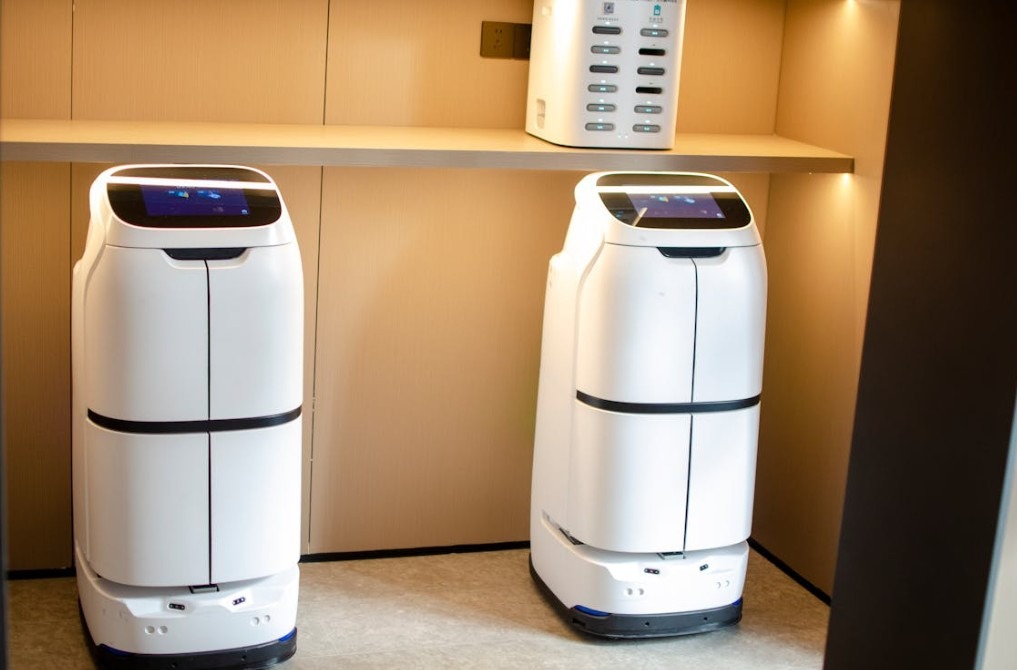
Technology in hospitality isn’t about replacing warmth. It’s about removing friction. It’s about helping chefs cook with more precision, helping front-of-house teams move with confidence, and helping diners spend less time waiting—and more time enjoying themselves.
That shift is happening everywhere, from intimate neighbourhood spots to ambitious destination venues.
Take Santos + Co, for example. If you’re searching for Portuguese small plates, craft cocktails, or wine-led dining experiences in the UK, this is exactly the kind of venue that shows how heritage and technology can work together.
At first glance, it’s all about atmosphere—shared petiscos, curated wines from the Algarvian-inspired Quinta Dos Santos legacy, and menus built around Portuguese culinary traditions paired with British produce. But behind that experience, there’s usually a smarter system at play. Reservation software manages table pacing. Stock systems help preserve fresh seafood and imported wines. Digital ordering patterns reveal which dishes perform best across different days.
The result? Guests experience relaxed hospitality, while the restaurant quietly runs with sharper precision.
And that’s becoming the new standard.
Digital Reservation
Let’s start with the first touchpoint—booking.
For many diners, the evening now begins before they leave home. A few taps on OpenTable or Google Maps, and your table is sorted.
Easy.
But for restaurants, digital bookings do far more than reserve seats.
Modern reservation platforms help operators predict traffic patterns, reduce no-shows, identify peak spending times, and understand guest preferences. Maybe one couple always books corner tables. Maybe a group tends to order cocktails first and mains later. Over time, systems start recognising behaviour—and restaurants can tailor service accordingly.
That level of insight would’ve been impossible twenty years ago.
Interestingly, hospitality experts often compare modern booking platforms to airline systems. Both aim to maximise capacity while improving customer experience. The difference? Restaurants still need to make it feel personal.
And the best ones do.
Smart Kitchens, Better Timing
If you’ve ever wondered why your starter arrives at just the right moment—or why your main lands hot even during a packed Friday night—the answer often lies in kitchen technology.
Gone are the days when every order lived on handwritten paper slips.
Today, many restaurants use kitchen display systems—digital screens that organise tickets in real time. These systems help chefs coordinate prep, track cooking times, and communicate between sections without shouting across the line.
This matters more than people realise.
A chef once described it perfectly during an interview: “Good food matters. But timing is what makes people remember the meal.”
That’s especially true in multi-experience venues.
Dining as Entertainment Is Becoming Smarter
Restaurants are no longer just restaurants.
Increasingly, they’re social spaces. Music venues. Community hubs. Experience-driven destinations.
If you’re searching for live music restaurants in Bracknell, cocktails and sharing plates, or even interactive nightlife experiences, a place such as Musica captures where hospitality is heading.
At face value, it’s a food-and-music venue—bold comfort food, DJs, tribute acts, house bands, cocktails, and an energetic crowd. But look closer, and you’ll spot something more.
Musica integrates augmented reality darts, digital event scheduling, online ticketing, and social media-led community engagement. That means guests don’t just show up for dinner—they interact with a venue that evolves throughout the week.
Lunch can feel casual. Evening service shifts into live entertainment. Late-night bookings blend food, drinks, and tech-driven activities into one experience.
That flexibility isn’t accidental.
Technology helps venues like Musica understand crowd patterns, optimise staffing, and coordinate event pacing—while still keeping the experience spontaneous.
And honestly? That’s where dining seems to be headed.
Data Is Quietly Shaping Menus
Here’s something diners rarely think about.
Sometimes your favourite dish stays on the menu because data says it should.
Restaurants now track what sells, when it sells, what gets reordered, what performs on delivery platforms, and what disappears quietly after one weekend.
This doesn’t mean chefs lose creativity.
Quite the opposite.
When chefs understand guest behaviour, they can take smarter risks. They can test seasonal dishes, rotate specials, and identify what their audience genuinely connects with.
A slow-cooked lamb dish might dominate colder months. A citrus-led seafood plate might surge during summer.
Data doesn’t replace instinct—it sharpens it.
And for independent restaurants, that kind of insight can be the difference between surviving and thriving.
Contactless Payments Changed More Than Checkout
When the pandemic accelerated digital adoption, contactless payment became the norm almost overnight.
At first, it felt practical.
Now, it’s expected.
Whether you’re tapping your phone, splitting a bill through an app, or paying directly from your table, the process feels almost invisible.
And that’s exactly the goal.
Restaurants benefit too. Faster payments mean quicker table turnover, fewer billing errors, and smoother end-of-service operations.
For diners, it means fewer interruptions.
Dinner keeps flowing.
Delivery Platforms Rebuilt Local Dining
Food delivery changed everything.
Not just consumer habits—restaurant operations, too.
Menus now need to work both on plates and in takeaway boxes. Packaging matters. Travel time matters. Temperature retention matters.
That’s especially true for specialist cuisine.
Take Iford Tandoori in Bournemouth.
If you’re searching for Indian takeaway in Iford, curry delivery in Bournemouth, or Indian restaurant near Castle Lane East, venues like Iford Tandoori show how technology supports consistency beyond the dining room.
Online ordering platforms now connect customers directly with kitchens. Delivery systems track prep times. Payment gateways reduce friction. Automated confirmations reassure guests their food is on the way.
And for dishes like biryanis, tandoori grills, or slow-simmered curries, timing matters.
A five-minute delay can change texture completely.
That’s why delivery technology isn’t just logistics—it’s part of quality control.
At Iford Tandoori, quick online ordering, streamlined kitchen prep, and efficient delivery systems help keep food hot, fresh, and true to the kitchen’s standards.
That’s no small thing.
AI Is Starting to Enter the Dining Room
Here’s where things get interesting.
Artificial intelligence is slowly entering hospitality—not through robots serving wine, but through smarter forecasting.
Restaurants now use AI tools to predict:
- Busy nights based on weather
- Ingredient demand based on local events
- Staffing needs during holidays
- Delivery spikes during sports matches or concerts
A rainy Friday? Expect more takeaway orders.
Local music festival nearby? Prepare for late walk-ins.
These systems aren’t futuristic anymore. They’re operational tools.
And as margins tighten across hospitality, smarter forecasting is becoming less of a luxury—and more of a necessity.
Technology Still Needs Humanity
For all the systems, screens, and software, the heart of hospitality hasn’t changed.
People still remember the server who recommended the perfect wine. The chef who sent out an unexpected dessert. The bartender who remembered their usual order.
Technology can support those moments.
It can’t replace them.
The best restaurants understand this balance. They use digital tools to make service smoother—but never colder.
That’s the sweet spot.
Final Thoughts: The Future of Dining Is Already Here
Dining today feels effortless—but only because so much work happens behind the scenes.
Reservation software keeps tables moving. Kitchen systems improve timing. Data shapes menus. Delivery apps expand reach. Entertainment tech transforms social spaces. Payment systems reduce friction.
And yet, none of that changes the reason people go out to eat.
They go for connection.
For conversation.
For flavour.
For moments that feel bigger than the plate in front of them.
Whether you’re sharing Portuguese petiscos at Santos + Co, catching live music and cocktails at Musica, or ordering a late-night curry from Iford Tandoori, technology is quietly shaping the experience.