
The Real Difference LED headlight and Bi-LED Projector Lenses Make on the Road
I remember the first time I drove at night after swapping out my factory halogen headlights for LED ones. It was like I’d put on a pair of glasses I didn’t know I needed. The road, once washed in a dull yellow haze, suddenly looked sharp, almost like daylight. Road signs reflected clearly, potholes showed up sooner, and animals on the roadside were no longer a surprise.
LED headlight have changed the game for modern driving. But it’s not just the bulb that makes a difference — the real magic often lies in the bi-LED projector lens that focuses and delivers that light in a precise and efficient beam.
If you’re wondering whether upgrading to LED and bi-LED projector setups is worth it, this article breaks it down — without robotic tech-speak, just real insights.
Why LED headlight Outperform Halogens in Everyday Driving
For decades, most cars rolled off the lot with halogen bulbs. They worked fine — until you’ve driven with LEDs.
So what’s the actual improvement?
- Clarity: LED bulbs produce a clean, white light that closely mimics daylight. This helps your eyes perceive depth and color better.
- Efficiency: LED draws far less power than halogen. If you’re running other electronics in your vehicle — GPS, music, AC — that matters.
- Durability: You might get 1,000 hours from a halogen bulb. With LEDs? 30,000 to 50,000 hours is common.
- Heat Management: Ironically, halogens produce way more heat, which can stress plastic lenses. LEDs run cooler and keep housings in better shape longer.
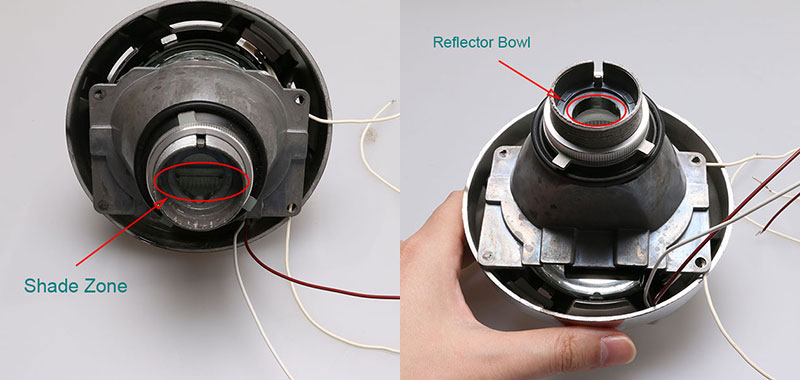
Here’s a small but important note: just throwing an LED bulb into your old reflector headlight might not deliver all these benefits. That’s where a bi LED projector lens comes into play. It helps focus and direct the LED light precisely, giving you the full advantage of brightness without glare — exactly where it matters most on the road.
What a Bi-LED Projector Lens Actually Does (And Why It Matters)
When people talk about “projector headlights,” they’re referring to the way the light is focused — and it’s a big deal.
A bi-LED projector lens does two key things:
- It shapes the beam — so the light isn’t just brighter, it’s also directed where it should be (on the road, not in people’s eyes).
- It switches between low and high beam using one bulb and a built-in mechanical shutter.
This gives you a sharper, cleaner cutoff line and full control over your illumination. So instead of lighting up trees and annoying oncoming drivers, your LEDs work smarter — not just harder.
You’ll notice the difference on winding roads, in fog, or when you’re driving with someone in front of you. It’s not just brightness — it’s accuracy.
Choosing the Right LED Headlight Setup for Your Vehicle
Not all LEDs are equal. I’ve tested a few myself and seen friends go through the trial-and-error phase. Here’s what really matters when choosing LED headlight:
- Lumen Output: More isn’t always better. Aim for balance — around 6,000 to 10,000 lumens per pair is bright enough without becoming harsh.
- Color Temperature: 5500K to 6000K gives that nice, white light. Anything above that starts to look blue, and that’s not always road-legal.
- Cooling Tech: A decent LED setup has either a small fan or a heat sink. Without it, the bulb won’t last — especially in hot climates.
- Plug-and-Play vs. Retrofit: Some LEDs fit your factory housings. Others, like projector kits, might need more work. Know your car’s setup before buying.
Best Bi-LED Projector Lens Options Right Now
If you’re ready to go all-in with a projector lens upgrade, these are a few trusted options:
- Morimoto MLED 2.0 – It’s a retrofit favorite. Durable, bright, and consistent. You’ll pay a premium, but it performs like factory gear.
- Aozoom Bi-LED Projector – Budget-friendly with strong performance. Easy install and decent beam shape.
- Koito Bi-LED Lens – Found in some OEM setups. Great optics, but can be a hassle to retrofit.
I’ve personally used the Aozoom on an older Accord, and while it wasn’t as “wow” as Morimoto, it gave excellent results for the price. The beam stayed tight, and no one flashed their brights at me — always a good sign.
LED headlight in Bad Weather — Do They Work?
A common concern: “Aren’t LEDs worse in fog or rain?”
Not necessarily.
While super-white or blue-toned lights can bounce off moisture and reduce visibility, good-quality LEDs in the 5500K–6000K range are actually excellent in poor weather. They highlight road lines, guardrails, and reflective signs without causing eye strain.
I’ve driven in heavy rain in upstate New York and had no issues — in fact, the consistent beam helped me stay centered on dark two-lane roads with no street lights.
Common Questions Answered
Q: Can I use LED bulbs in any car?
Most modern vehicles can handle LED upgrades, especially if you’re using CANBus-friendly kits. Older cars may need resistors or decoders to prevent flickering.
Q: Are bi-LED projectors legal?
Yes, if they’re properly aimed and come from reputable manufacturers with DOT or ECE certification.
Q: How hard is it to install a projector lens?
If you’re handy, you can do it in a weekend. You’ll need to open the headlight housing, align the lens, and seal everything carefully. Otherwise, hire a retrofit specialist.
Final Thoughts — It’s Not Just About Looking Cool
Upgrading to LED headlight and a bi-LED projector lens isn’t just for car enthusiasts or modders. It’s for anyone who wants to see better, drive safer, and enjoy the road — day or night.
I’ve done it on two of my own cars — and if I get a third, it’s the first thing I’ll upgrade. There’s no going back once you see how clearly the road unfolds in front of you.
So whether you’re driving long rural routes or just want a touch of modern tech on your aging sedan, LED headlight with the right projector setup are more than worth it. They’re peace of mind, packaged in light.