
Choosing the Right Buddhist Funeral Home in Singapore: Tips and Recommendations
1. Understanding Buddhist Funeral Traditions and Customs
When my uncle died three years back, we did not have a clue what we should do. My aunt used to move from one room to another.The kids had gone quiet. And somehow the responsibility landed on me to start making calls — that night, within hours, while I was still in shock.
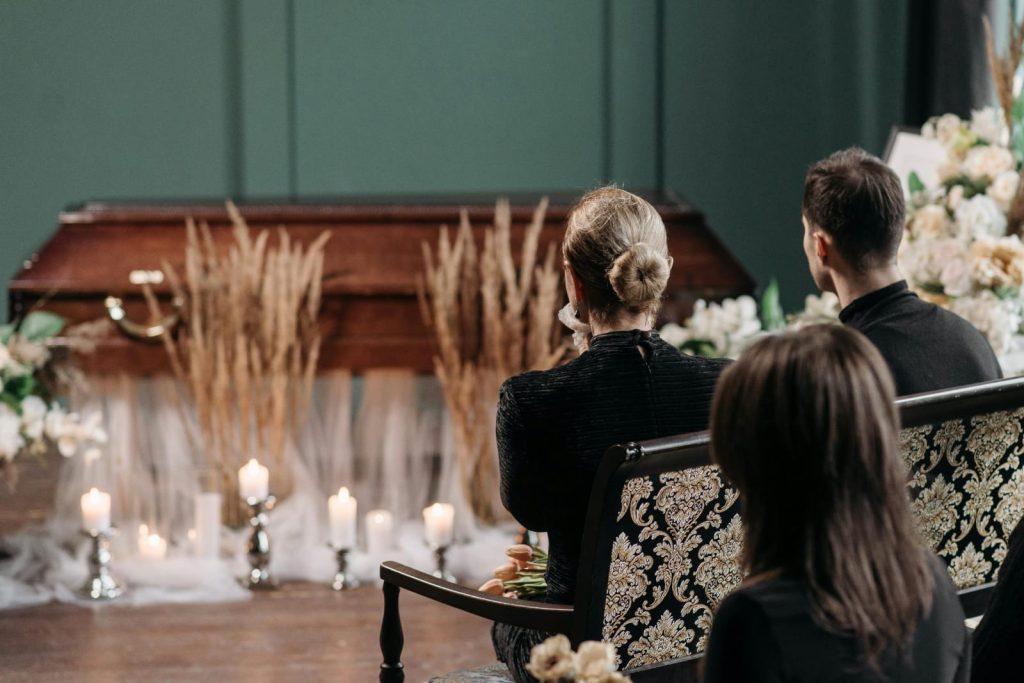
Buddhist funeral Singapore carry real spiritual weight. The monks chanting beside the casket through the night, the incense burning without stopping, the altar set up with offerings and his photograph facing out — none of that is decoration. In Mahayana belief, the prayers and chanting during those days genuinely matter for the person who’s passed. My grandmother used to say how you send someone off tells them how much they were loved. I didn’t fully understand that until we were doing it ourselves.
Most Chinese Buddhist families here follow a three to five day wake — morning chanting, evening chanting, relatives and old friends cycling through. Once it’s running, there’s comfort in the structure. But those first few hours, figuring out who to call and whether the person on the other end actually knows what they’re doing — that part is brutal.
And the thing that hurt us was our first contact. A funeral home that knew the shape of a Buddhist ceremony but not the soul of it. You feel that hollowness in the room. Your family feels it. Know what you want before making any phone call.
2. Factors to Consider When Choosing a Funeral Home
They all seem to be the same. Same words, same careful tone. Here’s what actually matters.
2.1 Experience in Buddhist Rites
This matters more than anything else. Not funeral experience generally — Buddhist funerals specifically, week in and week out.
The right provider knows which sutras are chanted on which days without hesitating. Their staff sets up the altar correctly the first time. They have real, ongoing relationships with monks so that coordination happens quietly without you chasing anyone. Ask them directly — how many Buddhist funerals do you handle monthly? Who manages the monks? Can I speak today with the person who’ll be at our ceremony? Confident, specific answers mean you’re in the right place. Vague redirecting means move on.
2.2 Transparency in Pricing
Costs for direct cremation are about $1,800. A ceremony with wake, monks, all-altar setup should cost between $4,000 and $6,500. This is reasonable. What IS a problem is vague package quotes and costs that appear after you’ve already agreed to something, when you’re too exhausted to push back.
Ask for a written itemised quote, every single line. If they hesitate or act like that’s unusual — cross them off immediately.
2.3 Customisation Options
My family needed five days. Relatives were coming from Johor and KL and needed time. One funeral home kept steering us back to their standard package without really listening. That conversation ended fast.
Some families want Hokkien chanting. Some want Cantonese. Some need a void deck because that’s where their person lived their whole life. Others need a parlour. A good funeral home listens to what your family wants and takes off from there. You won’t feel like you’re being difficult by doing so.
2.4 Professional Help and Support
I didn’t realize how much paperwork there was.. Death certificate, cremation permit, NEA coordination, crematorium booking, temple liaison — all of it compressed into a short window. The good directors absorb all of that completely. You don’t see it happening. They take care of it, keep you informed, and allow you to concentrate on your family. This is no insignificant matter if you’ve been deprived of sleep for the last two days.
3. Top Buddhist Funeral Homes in Singapore: A Comparative Review
No numbered ranking here — what worked for my family might not work for yours.
- Established Funeral Service Providers
Fifteen to twenty years doing this specifically — that experience shows when something goes wrong. And things do go wrong. A monk cancels. Relatives arrive unexpectedly. The crematorium runs late. Established providers have contingencies built in. The problems get absorbed before your family even knows they exist. For first-timers especially, that steadiness is worth it.
- Mid-Range Service Providers
Genuinely underrated. The rites are handled correctly, monks are coordinated, logistics work. You might get a simpler altar or less elaborate decorations — but the substance is solid. Those families who are budget-conscious but unwilling to skimp on the execution of the proper wedding ceremony will find themselves pleased with the middle-range wedding providers.
- Budget-Friendly Options
Not all can afford $6,000 weddings. There’s nothing to be embarrassed about.A simple farewell handled with genuine care means more than an elaborate ceremony produced by people going through motions. Direct cremation packages handle the essentials with dignity, and most will still accommodate monk chanting separately if the family needs it.
Whatever you’re considering — find reviews from real families, not the testimonials the company chose for their own website. And notice how they treat you in that very first call. Patient, listening, unhurried — good sign. Already pushing packages before you’ve finished talking — you have your answer.
4. The Role of Personalization in Funeral Services
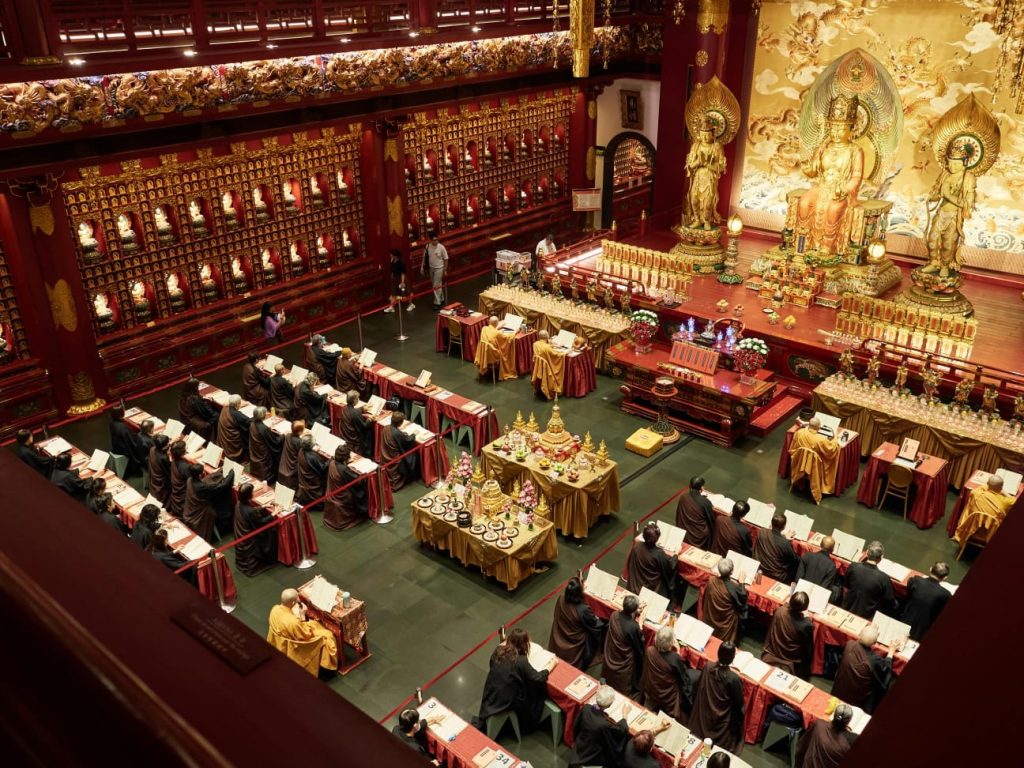
Something has shifted quietly in how Singapore families approach Buddhist funeral Singapore .The traditional rites are still there — nobody’s walking away from the chanting and the altar. But more families are making the ceremony feel like it truly belongs to the specific person who died.
Last year I attended a wake where the family had laid out sixty years of photographs along one wall. Her wedding. Her children as babies. A solo trip to Taiwan in her seventies, grinning at the camera. People stood in front of it and stayed — talking, remembering, someone laughing and then crying. It changed the whole feeling of the room.
Another family tracked down monks who chanted in their grandmother’s home dialect from Fujian — the sound she grew up hearing. It took effort. But for that family it was the heart of everything.
These touches don’t undermine Buddhist tradition. This ensures that the event feels like it is for a genuine individual, and to those mourning, the distinction between how a person was commemorated will remain etched in their memory long after the incense has burned out.
5. Budgeting for a Buddhist Funeral: What to Expect
5.1 Typical Cost Structure
Venue setup, casket and embalming, monk chanting fees, altar and offerings, cremation, permits and administrative costs — each is a separate line with a price that shifts based on your choices. Direct cremation starts around $1,800. Full ceremony with multi-day wake and monks — $4,000 to $6,500, sometimes more.
5.2 Factors That Affect Cost
Wake duration is the biggest variable — three days versus five is a real jump. After that, number of monks, sessions, venue type and altar elaborateness all move the number. Most of these are decisions your family controls.
5.3 Smart Budget Planning Tips
Get itemised quotes from two or three providers — not package totals, actual line-by-line breakdowns. Compare them carefully. Decide what’s non-negotiable first, protect that part of the budget, and build everything else around it.
And have the money conversation with your family before the moment arrives — decisions made calmly in advance are always better than ones made under pressure with a director waiting for your answer.
Conclusion
You can afford to take your own sweet time deciding this, regardless of all the pressures.
The right funeral home will not force you.
They’ll answer questions honestly and make you feel like your family is genuinely being looked after — not processed. And when you find that person, when something in you just settles during that first conversation — trust it.
Amidst all the grieving, tiredness, and logistics, having someone who you can absolutely trust to shoulder this burden? It is probably more important than most things.