Smartphone Camera Trends: What’s Changed After the AI Surge?

Artificial intelligence has allowed smartphone cameras to advance faster in recent years than in the previous decade. Traditional megapixel wars have taken a back seat as software-driven photography takes the lead. Flagship and mid-range smartphones now provide image quality comparable to DSLRs in many cases, thanks to AI’s expanding role in image capture and processing rather than hardware advancements. From improving lighting conditions to detecting people in real time, AI is performing the hard work behind each shutter click. Understanding how AI has developed allows customers to make better decisions when selecting their next gadget, especially if photography is a major focus.
How Has AI Rewritten Smartphone Photography Basics?
AI-Powered Computational Imaging Takes Over
Smartphones increasingly rely significantly on computational photography, in which AI interprets numerous frames to create a single optimal image. Instead of taking a single shot, phones take a burst, and AI algorithms blend the best portions of each frame. This method automatically adjusts exposure, enriches colors, and corrects lighting concerns. Even low-end cellphones employ this approach to brighten shadows while retaining highlights, giving ordinary users the appearance of professionals. Brands such as Huawei use AI to guarantee that photographs are clean and balanced regardless of illumination. AI may even distinguish certain subjects, such as food, pets, or sunsets, and apply tailored upgrades. The end effect is vivid, professional-looking photographs captured with a single click—no manual editing necessary.
Smarter Scene Detection and Real-Time Optimization
AI now takes a proactive approach, recognizing situations before the shutter is pressed. Smartphones identify various environments—beaches, woodlands, and nightlife—and automatically modify settings to suit each. This real-time optimization adjusts exposure, white balance, contrast, and saturation based on what the camera detects. Some marketers go even further, providing AI tuning profiles for producers and vloggers. Users no longer have to fumble with manual settings to get the ideal photo; AI detects and adapts in milliseconds. The camera’s intelligence recognizes whether you’re photographing a person against a bright background or a dish of sushi in low light and ensures that both look their best. This seamless upgrade increases consistency and user confidence.
Noise Reduction and Detail Enhancement Get an Upgrade
Low-light photography has been changed by AI-powered noise reduction. Traditional noise reduction obscured delicate features, but AI models can now discriminate between actual textures and synthetic grain. This results in sharper night images with maintained textures—brick walls remain crisp and not smudged. AI-powered algorithms also improve micro-details by sharpening edges while leaving skin tones natural. Phones such as the HUAWEI capture excellent night photos with few artifacts. Users notice sharper shadows and less color noise, particularly when zoomed in. AI bridges the gap between sensor limits and user expectations, providing DSLR-like quality even in tough settings. This technology now powers both stills and video, raising the bar for mobile photography in general.
What New AI Camera Features Matter Most to Users?
AI Portrait Modes and Depth Mapping Improvements
AI-driven depth mapping has revolutionized portrait photography. Instead of depending entirely on twin lenses, contemporary smartphones utilize artificial intelligence to evaluate depth via single cameras or many sensors. This allows for precise subject isolation and seamless background blur—even near difficult areas such as hair. AI assesses depth in real time and adjusts the blur strength to achieve DSLR-quality bokeh. Some phones even allow you to refocus the backdrop after taking a photo. AI also adjusts skin tones, eye sharpness, and lighting effects to produce more pleasing images. The end result is studio-quality photos that require no additional equipment. Users appreciate it because it produces great headshots and lifestyle photographs with no editing required, right from the camera app.
Video Stabilization and Motion Tracking with AI
AI improves video quality by providing enhanced stabilization and motion tracking. Optical and electrical stabilization are no longer sufficient; AI fills the gaps by anticipating motion patterns and correcting tremor frame-by-frame. This implies that handheld videos will run more smoothly, even in poor light or with quick movement. AI also automatically monitors topics, keeping people, pets, and objects centered and focused as they move. Vloggers and content makers benefit from dynamic panning and auto-framing enabled by real-time AI analysis. Some phones employ AI to adjust exposure and focus in real time while recording, assuring constant quality. These solutions eliminate the need for gimbals and other accessories, making professional-looking video capturing easier than ever for regular users.
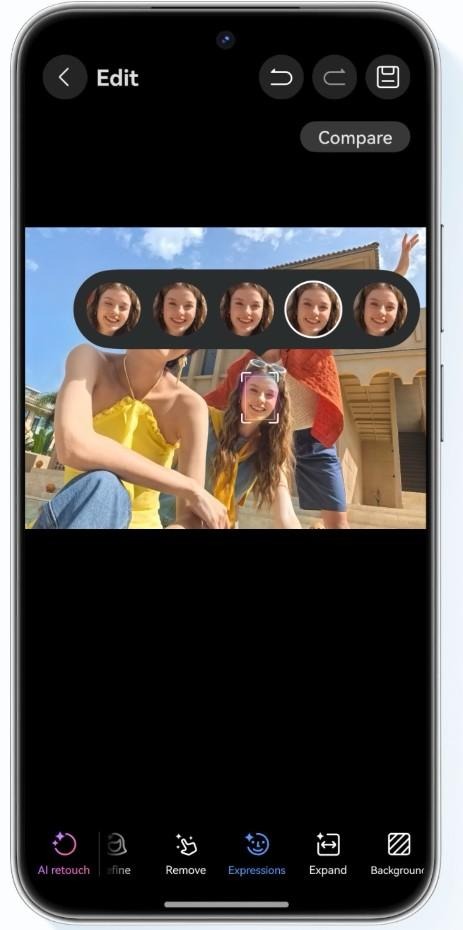
AI Editing Tools: From Object Erase to Style Enhancers
AI improves video quality by providing enhanced stabilization and motion tracking. Optical and electrical stabilization are no longer sufficient; AI fills the gaps by anticipating motion patterns and correcting tremor frame-by-frame. This implies that handheld videos will run more smoothly, even in poor light or with quick movement. AI also automatically monitors topics, keeping people, pets, and objects centered and focused as they move. Vloggers and content makers benefit from dynamic panning and auto-framing enabled by real-time AI analysis. Some phones employ AI to adjust exposure and focus in real time while recording, assuring constant quality. These solutions eliminate the need for gimbals and other accessories, making professional-looking video capturing easier than ever for regular users.
Conclusion
AI has significantly altered the way smartphone cameras work, from shooting to editing. Today’s photo quality is determined by how effectively the phone reads light, movement, and subject, rather than just megapixels. AI improves practically every stage of the process, from real-time scene detection to post-shot detail refinement. Users now have access to capabilities that were previously only available in professional editing suites, which are now built right into their smartphones. As technology and AI advance together, smartphones continue to supplant conventional cameras for the majority of consumers. This move increases photography’s accessibility, creativity, and shareability. Whether capturing memories, searching for tips like how to install google play on huawei, or creating content, users now rely on AI not just to enhance images, but to transform what’s possible with mobile photography.