
How Digital Inclusion Is Breaking Barriers You Didn’t See Coming
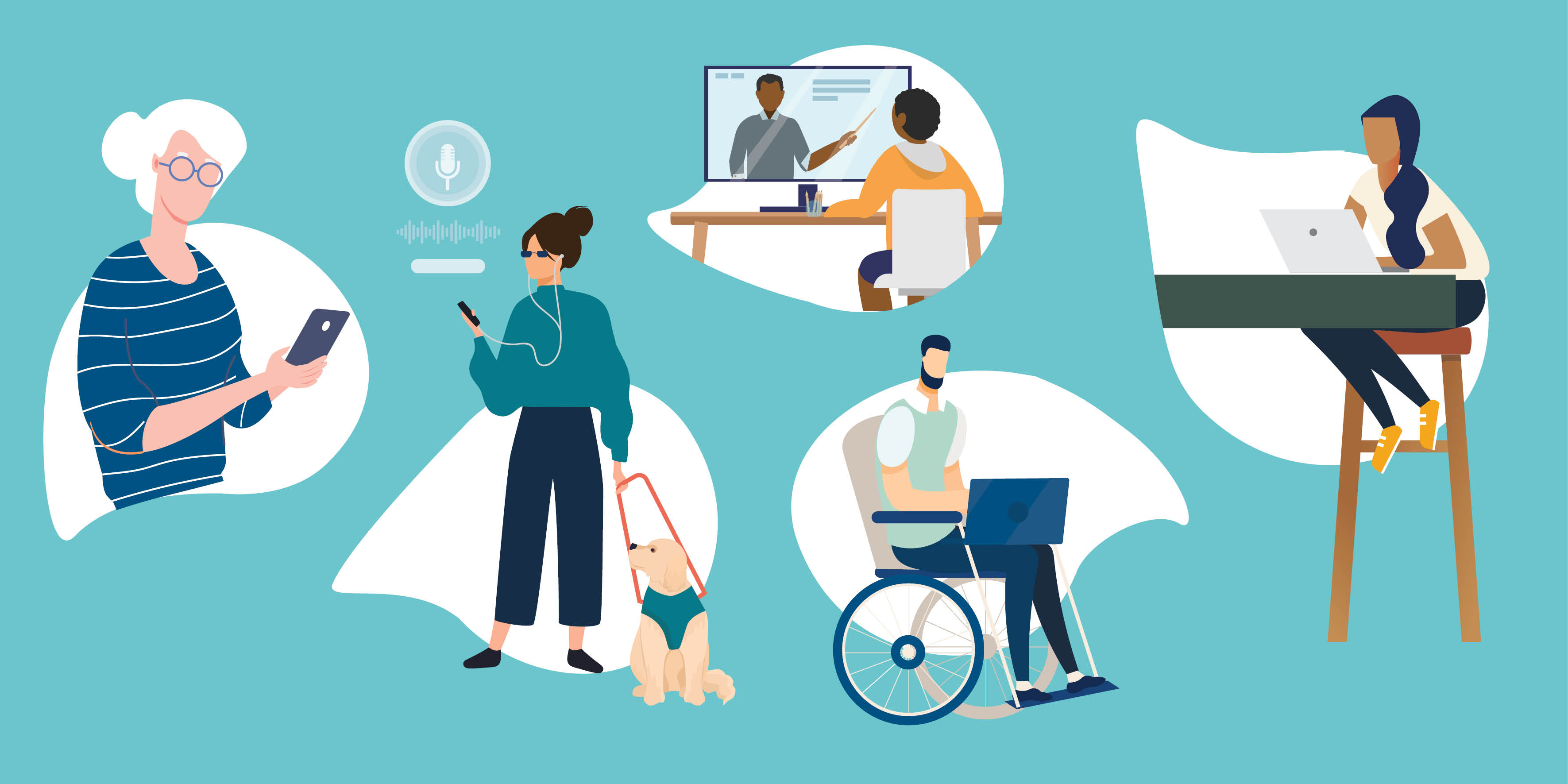
More than 2.6 billion people still do not have access to the internet in 2025. That is almost a third of the world that is not online, which is a big deal since digital services run everything from jobs to banking. You might not think about how easy it is to connect with people right away if you are reading this. But think about how it would feel to be unable to get to school, money, or even health care just because you cannot log in. That is why “digital inclusion” is not just a buzzword. It is a lifeline.
You can see it all over the place now: QR codes for payments, telehealth, and online classes. Everyone should move forward when technology does. But the digital divide is still there, and it often hurts the most vulnerable people, like low-income families, seniors, and people who live in rural areas. The good news is that the world is fighting back, and you are a part of that story.
What Digital Inclusion Really Means for You
Digital inclusion does not mean giving people gadgets. It is about making sure that everyone has the same access to technology, the internet, and digital skills. It is like building a bridge over a river that moves quickly. Some people cannot cross no matter how hard they try without the bridge.
So, why should this be important to you? Life without digital access today is like life without roads in the past. It affects your ability to work from home, pay your bills online, or even get a loan. Digital inclusion gives people and communities power by giving them access to information, opportunities, and the ability to be financially independent.
For example, Singapore is pushing for programs that teach people how to use technology. Older people who used to stay away from smartphones are now using apps to handle their money and stay in touch with family and friends. That is inclusion in action—easy, useful, and life-changing.
The Silent Barriers You Can’t Always See
You might not know this, but the problem is not just getting connected. It also has to do with education and cost. You can make networks faster, but what if someone cannot afford a device or does not know how to use it? That is where real digital inclusion comes in. It has three parts: access, affordability, and ability.
Imagine a young business owner with a great idea but no reliable internet to use to sell things online. Or an older person who wants to stay in touch with family who lives far away but has trouble with video calls. These kinds of stories are not uncommon; they are everywhere. And it is not just the government that needs to fix them. Individuals, businesses, and communities all have a part to play.
Why 2025 Is the Year to Bridge the Gap
The pandemic taught us how important technology is. In 2025, AI-powered services, contactless banking, and digital ID systems are no longer things of the future; they are now necessities. If someone is left out now, the gap will only get bigger tomorrow.
But here’s the twist: the talk is changing. Digital inclusion is no longer a gift. It is a step toward progress. More people online mean bigger economies. Companies do well. Innovation speeds up. And most importantly, people have lives that are fuller and more connected.
You are seeing a change around the world where inclusion is affecting policies, products, and opportunities. The question is not if digital inclusion is important. It is about how quickly we can make it real for everyone.
Let us make a future where everyone is online
Digital inclusion is the bridge that makes sure everyone has a chance, not just a few. And even though things are getting better, there is still work to be done. The good news? Every step matters. From supporting digital literacy programs to simply helping someone navigate an app, your actions matter.
If you have questions about how to handle your money in this digital-first world or want help getting the most out of online tools, please get in touch with us. We want to help you stay connected, strong, and ready for what is next.