
Powering Productivity: Electrical Planning for Offices and Warehouses
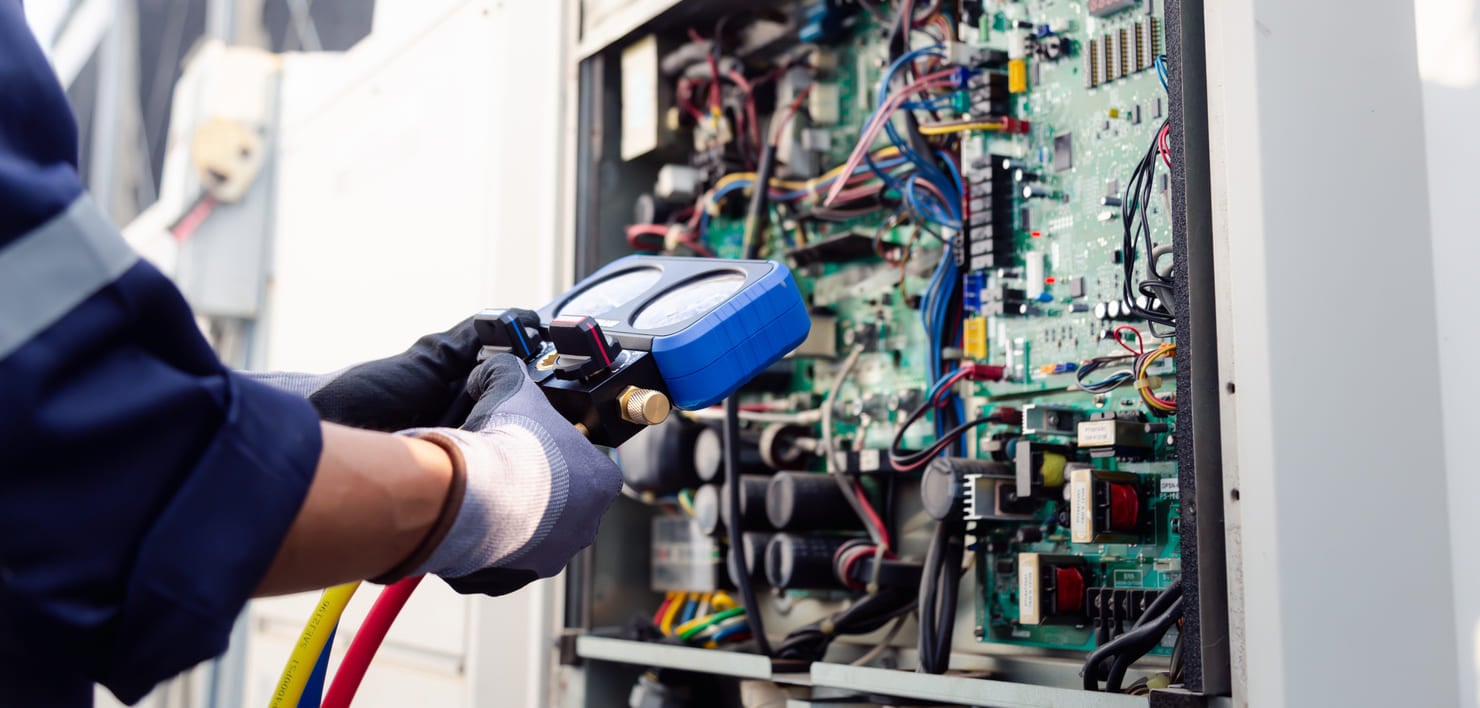
Modern businesses rely on dependable electrical systems to keep operations running smoothly. Whether it’s a busy office environment filled with computers and communication systems or a warehouse packed with machinery and automated equipment, electricity powers nearly every aspect of day-to-day work. When electrical infrastructure is well-designed and properly maintained, it supports productivity, safety, and efficiency across the entire facility.
However, many businesses underestimate how complex commercial electrical systems can be. Offices and warehouses often require specialized electrical planning to handle large equipment loads, lighting requirements, climate control systems, and security technology. Investing in professional electrical services ensures that these systems operate safely while supporting the evolving needs of modern workplaces.
Understanding the Electrical Needs of Offices vs. Warehouses
Although both environments depend on reliable electricity, offices and warehouses typically have very different electrical demands.
Office Electrical Requirements
Office environments often focus on technology and comfort. Their electrical infrastructure must support:
- Computers, servers, and networking equipment
- Conference room technology and displays
- Heating, ventilation, and air conditioning systems
- Lighting designed for productivity and comfort
- Security systems and access control
Because office work relies heavily on digital infrastructure, power stability is especially important. Even minor electrical disruptions can interrupt workflow, cause data loss, or damage equipment.
Warehouse Electrical Requirements
Warehouses, on the other hand, prioritize operational efficiency and heavy-duty systems. Electrical systems in warehouses commonly power:
- Conveyor belts and automated storage systems
- Forklift charging stations
- Industrial machinery
- High-bay lighting systems
- Climate control for inventory protection
These systems often require higher power loads and more robust electrical distribution than traditional office spaces.
The Importance of Proper Electrical Design
Electrical design plays a crucial role in determining how well a facility functions. When systems are poorly designed, businesses may encounter overloaded circuits, inefficient power distribution, or safety risks.
A well-planned commercial electrical layout includes several important elements:
Load Distribution
Properly distributing electrical loads prevents circuits from becoming overloaded and reduces the risk of power interruptions.
Panel Capacity Planning
Electrical panels should have enough capacity not only for current usage but also for future expansion. Businesses that grow quickly often find themselves needing additional circuits or upgraded panels.
Equipment-Specific Circuits
Industrial machines and specialized office equipment may require dedicated circuits to ensure safe and stable operation.
Lighting Optimization
Effective lighting improves visibility, safety, and productivity. Warehouses often require high-output lighting systems, while offices benefit from balanced lighting that reduces eye strain.
Professional electricians help businesses design systems that align with both operational needs and building codes.
Minimizing Downtime Through Preventive Maintenance
Unexpected electrical failures can bring operations to a halt. In offices, downtime can disrupt communication systems and digital workflows. In warehouses, equipment shutdowns may delay shipments or halt production.
Preventive electrical maintenance helps avoid these disruptions by identifying potential issues early.
Routine maintenance typically includes:
- Inspecting wiring and electrical panels
- Testing circuit loads and distribution systems
- Checking backup power systems
- Replacing worn or outdated components
- Verifying proper grounding and safety systems
Regular inspections ensure that electrical infrastructure remains reliable and safe over time.
Improving Energy Efficiency in Commercial Facilities
Energy costs can be a major expense for both offices and warehouses. Improving electrical efficiency is one of the most effective ways to reduce operating costs while supporting sustainability goals.
Electricians can help businesses implement several energy-saving strategies.
LED Lighting Upgrades
Switching to LED lighting significantly reduces electricity usage and maintenance costs. LEDs also last longer than traditional bulbs, making them especially useful in high-ceiling warehouse environments.
Motion and Occupancy Sensors
Sensors automatically turn lights off in unused areas, preventing wasted energy.
Energy Monitoring Systems
Smart monitoring tools allow facility managers to track electricity usage and identify inefficiencies within their systems.
Over time, these improvements can result in substantial energy savings while improving overall system performance.
Safety Considerations for Commercial Electrical Systems
Electrical safety is a critical responsibility for businesses. Faulty wiring or overloaded systems can lead to equipment damage, fire hazards, or workplace injuries.
To maintain safe facilities, electrical systems should include:
- Ground fault protection systems
- Proper circuit labeling and organization
- Emergency lighting for evacuation routes
- Surge protection for sensitive equipment
- Compliance with local electrical codes
Professional electricians ensure that installations and upgrades meet required safety standards while reducing operational risks.
Preparing Facilities for Technological Growth
Workplaces continue to evolve as new technologies are introduced. From automated warehouse systems to advanced office communication tools, electrical infrastructure must be flexible enough to support these innovations.
Businesses that plan ahead can avoid costly upgrades later by incorporating scalable electrical systems.
Future-ready infrastructure may include:
- Additional electrical panel capacity for expansion
- Infrastructure for electric vehicle charging stations
- Dedicated circuits for automation equipment
- Smart building integration for lighting and climate control
- Backup power systems to support critical operations
Facilities that invest in forward-thinking electrical planning can adapt quickly as technology advances.
The Value of Professional Commercial Electricians
Commercial electrical systems require specialized expertise that goes far beyond typical residential work. Electricians who specialize in commercial environments understand the unique challenges of offices and warehouses, including high electrical loads, safety regulations, and complex system integrations.
Businesses seeking reliable infrastructure often turn to experienced providers of office and warehouse electrical services to ensure their facilities are equipped to handle both daily operations and long-term growth.
Working with skilled professionals helps businesses maintain safe, efficient, and scalable electrical systems that support productivity and operational stability.
Conclusion
Electricity powers the essential systems that keep offices productive and warehouses operating efficiently. From lighting and climate control to industrial equipment and digital infrastructure, reliable electrical systems are critical to modern commercial environments.
By investing in proper electrical design, preventive maintenance, and energy-efficient upgrades, businesses can reduce downtime, improve safety, and control operating costs. Professional electricians play a key role in ensuring that commercial facilities are equipped to meet current demands while remaining flexible enough to support future growth.
For organizations that rely on dependable electrical infrastructure, professional electrical planning and maintenance are not just conveniences—they are essential components of a successful and resilient operation.