
How Wearing a National Team Shirt Changes the Way You Watch the World Cup
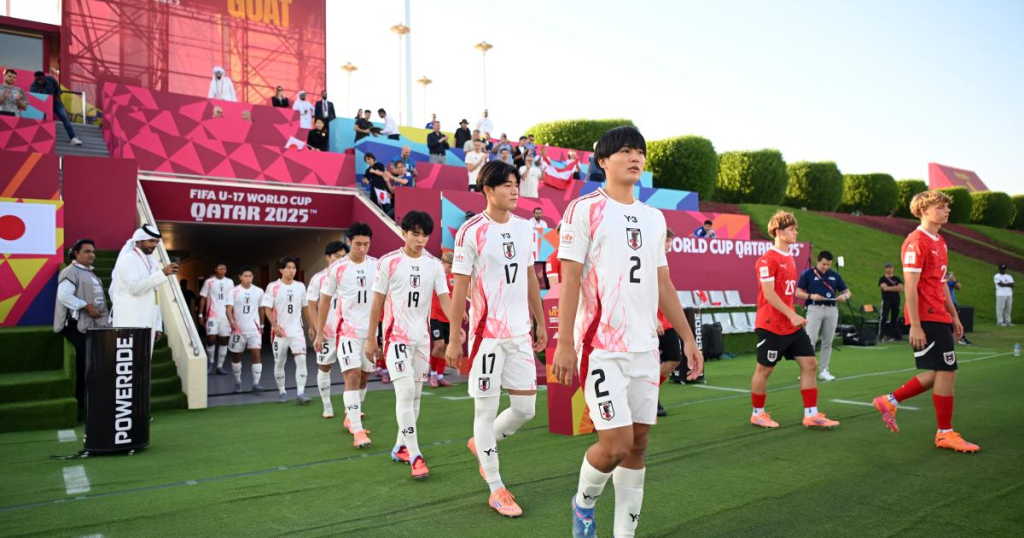
Putting on a national team shirt and walking through a mall during the World Cup looks like a simple expression of fandom, but it quietly reshapes how you experience the matches themselves. When you later sit down to watch, those casual interactions—nods from strangers, tactical debates in food courts, spontaneous celebrations in front of big screens—change what you pay attention to on the pitch and how you interpret your team’s performance across the tournament.
Why Shared Colours Shift Your Focus From Individuals to Structure
Once you spend a day surrounded by the same shirt on other people, you start to see the team less as a collection of star names and more as a shared structure everyone has emotionally invested in. That collective identification subtly pulls your attention during matches away from isolated mistakes and toward overall shape: how the back line moves together, whether the midfield stays compact, and how the front line presses as a unit.
Instead of reacting only when a key player gets the ball, you notice how many teammates sprint to give them options, how quickly the block squeezes after a turnover, and whether the spacing that everyone is wearing on their chest—formation, identity, style—actually holds up against stronger opponents. The shirt becomes a visual reminder that every movement off the ball matters as much as the person in possession.
How Public Viewing Turns You Into a Live Analyst
Watching games in public while wearing the shirt exposes you to constant micro-analyses from other fans: complaints about the full-back’s positioning, praise for a midfielder’s press, or frustration at the team’s inability to exploit a certain channel. Those comments might be emotional, but they prime you to look for specific tactical details when you watch the next match at home.
Over time, you start anticipating patterns: tracking whether the coach fixes the defensive spacing people were angry about, or whether the winger finally makes the earlier run everyone was begging for. The shirt links these conversations together across different viewing locations, turning casual shoppers and café spectators into a rotating panel that pushes you to watch with a sharper, more systematic eye.
When Wearing the Shirt Makes Live Patterns Easier to See
During the World Cup, malls, cafés, and pop-up fan zones often show matches on big screens, and walking past them in your national team shirt changes how you process even a quick glance at the game. Instead of just checking the score, you instinctively scan the pitch for whether the team looks compact or stretched, whether your side is controlling the central corridor, and how many players join the box when an attack develops.
If you later sit down to ดูบอลสด in a more focused setting, those snapshots help you stitch together a fuller picture of the team’s tactical evolution. You remember seeing them pinned deep in one group game, then playing 10 metres higher in the next; or you recall how the press was broken repeatedly in one half but held firm in another. The act of wearing the shirt, catching fragments of live play in public, and then watching the full match later builds a layered tactical memory that goes beyond final scores.
Key Situations Where Public Atmosphere Changes What You Notice
Certain match scenarios are especially influenced by the energy of watching among strangers wearing the same colours, and they tend to highlight different aspects of the game than you would focus on alone.
- Defensive stands late in the match, where every clearance draws a cheer and forces you to pay attention to line height and second-ball reactions.
- Counter-attacks where the entire crowd leans forward at once, making you more aware of support runs and decision speed in transition.
- Prolonged spells of pressure from the opposition, which prompt spontaneous tactical debates about pressing triggers and passing lanes.
- Set-piece situations where everyone stands up, pushing you to notice blocking movements and marking schemes instead of just the final header.
- Substitution moments, when the buzz in the crowd leads you to think in terms of role changes and fresh energy, not just name value.
Each of these situations trains you to connect the emotional swings around you to specific, repeatable patterns on the pitch. Over a full tournament, you become quicker at reading where momentum is coming from and which tactical choices are driving it, rather than treating shifts in control as random.
How Wearing the Shirt Changes Expectations of Style and Identity
Walking through a mall in your national team shirt during the World Cup surrounds you with different versions of what that shirt “should” represent: some people want expansive attacking football, others value defensive solidity, and some are mainly focused on seeing one star player shine. Those conflicting expectations act like a lens when you later watch full matches, highlighting certain elements of the team’s style over others.
If public conversations lean heavily toward attacking flair, you may become more critical of sterile possession and more sensitive to missed overloads in wide areas. If the debate centres on defensive resilience, you might notice whether the holding midfielder truly protects the back line, or whether wingers track full-backs consistently. The shirt becomes a shared demand for a particular game model, and your live viewing turns into an ongoing assessment of whether the team is honouring that model.
When Everyday Rituals Turn Into Tactical Anchors
For many fans, wearing the shirt to the mall before a big game becomes part of a pre-match ritual: grabbing food, meeting friends, briefly watching another group match on a public screen. Those routines may feel purely emotional, but they also anchor specific tactical expectations in your mind—formation rumours, injury updates, and predicted match-ups in certain zones.
As you watch the game later, you subconsciously compare what unfolds to the pictures you built during those hours in public. Does the full-back really push as high as people expected? Does the coach stick with the double pivot that everyone argued about? These links between ritual and reality deepen your sense of cause and effect: you are not just reacting to events, you are testing what you heard and thought earlier against what the team actually does.
How Group Identity Sharpens Your Reading of Small Details
When dozens of people in the same shirt react in unison to a misplaced pass or a blocked shot, it creates a stronger memory than if you were alone. The collective groan or roar at a specific moment lingers, and when you re-watch highlights or tune into the next match, those particular types of actions stand out: late-arriving runs, aggressive presses, or line-breaking passes.
Over time, this shared emotional coding makes you more attentive to small, often overlooked details—like how often a midfielder scans before receiving, or whether a centre-back steps wide to support build-up instead of staying central. The shirt ties your own perception to that of the group, making you more attuned to the micro-moments everyone seems to care about, which often align closely with the match’s tactical hinge points.
Summary
Wearing a national team shirt in everyday spaces during the World Cup looks like a simple expression of support, but it quietly trains you to watch matches with a more connected, tactical eye. Public reactions, casual debates, and shared rituals frame how you interpret line shape, pressing intensity, and attacking patterns when you later sit down to watch full games or replays. By noticing how those mall and café moments shape what you look for on the pitch, you turn a piece of fabric into a tool for reading ดูบอลออนไลน์ โกลแดดดี้ more deeply every time your country plays.