
How to Arrange Dining Furniture for Optimal Flow and Comfort
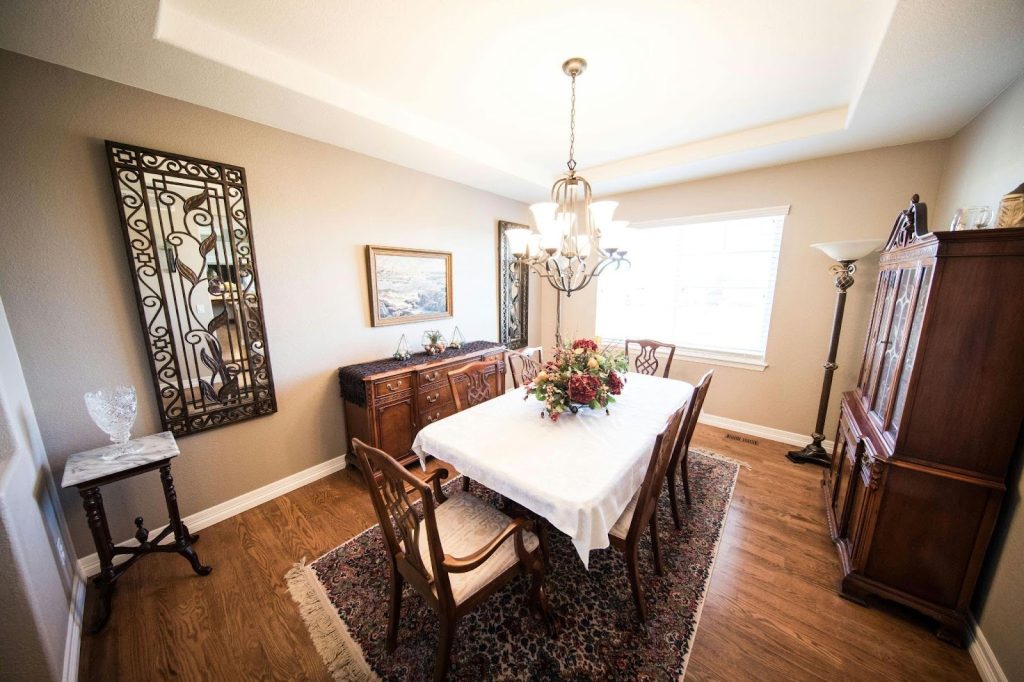
Your dining room should feel easy to move through and comfortable to sit in—not crowded or awkward. The way you arrange dining furniture plays a big role in how the space works every day. Whether you host family dinners, enjoy quiet meals, or entertain guests, a smart layout makes everything feel smoother. Good furniture placement helps people walk freely, pull out chairs without stress, and relax at the table. In this guide, we’ll break down simple, practical tips to arrange your dining furniture for better flow and comfort, so your dining area feels welcoming, balanced, and enjoyable every time you use it.
Dining Room Flow and Comfort Starts With Movement Zones
Functional dining spaces require more than figuring out where the table goes. You’ve got to map the way people really move—not how you imagine they will, but how they do when they’re carrying hot lasagna or reaching for wine.Studies on commercial kitchens show that zone-based design cuts inefficiency and contamination by up to 28%. Your home dining area follows the same logic.
The pinch point test (your 60-second reality check)
Act out your normal routines: haul dishes from the kitchen, shove your chair back suddenly, have two people cross paths. Pay attention to door swings, entryways, and hallway junctions—those spots hide layout disasters that don’t show up until your mid-dinner party. This quick test exposes where your dining room furniture arrangement needs tweaking before problems become permanent fixtures.Once you’ve mapped your zones, it’s time to position that table in a way that opens up the space while actually improving how it functions.
The 3 zones that make or break your dining room furniture setup
First, your seating zone—that’s chairs pushed all the way back with someone sitting down, not politely tucked in. Second, circulation zones where people walk through and around the space, including that critical kitchen-to-table path. Third, the service zone for buffets, drink stations, or that bar cart you swore you’d use more often. Grab painter’s tape and mark these zones on your floor before you buy a single thing. Trust me—visualizing beats guessing every time.
The clearance numbers that designers swear by
Behind a seated person, you need 24 inches bare minimum for someone to squeeze past. But 36 inches? That’s where comfort lives.
Between your table edge and the wall or console, shoot for 42–48 inches so chairs glide back without battle scars. And leave 3–6 inches to swing open those buffet drawers without trapping someone’s chair in the process.
Dining Table Placement That Makes the Room Feel Bigger (and Works Better)
Centering your table looks gorgeous in dedicated dining rooms with symmetrical architecture and a chandelier already hanging where you need it. But in open-concept spaces or oddly shaped rooms? Offset placement often wins because it keeps your main walkway clear instead of turning it into an obstacle course.
Dining table placement strategies for different room shapes
Long, narrow spaces love a runner-style layout or a banquette hugging one wall. Square rooms handle round tables or pedestal styles beautifully—sometimes a diagonal angle unlocks wasted corner space. Open-plan areas need rugs to create boundaries, defining your dining zone without building actual walls. Think of it as a room within a room that your eyes can see even when the floor plan flows.
Working around doorways, windows, and patio sliders
Keep that kitchen-to-table path clear, even when chairs are pulled out. Don’t position end seats where they’ll battle with sliding doors or block window access. Sometimes rotating your table 90 degrees transforms everything—what was a traffic nightmare suddenly flows like you planned it that way all along.
Extending tables—planning for both daily life and hosting mode
Design for your everyday setup AND you’re having people over configuration before you commit. Store those leaves somewhere nearby so you’re not hunting through the basement when guests arrive. Your expanded table still needs to preserve walkways—dining room flow and comfort dies the moment people have to play a game of human Tetris to reach their seats.Now let’s look at five proven layouts you can adapt to your exact situation.
Dining Room Furniture Arrangement Templates (Real Dining Room Layout Ideas That Work)
Layout A — Classic centered table plus buffet
Perfect for dedicated dining rooms. Position your buffet opposite the entry for balanced traffic patterns. The centered table creates visual symmetry while the buffet handles storage and serving without blocking movement.
Layout B — Open-plan zone with rug definition and wall-mounted sideboard
This shines in combined kitchen-dining-living spaces. Use lighting and a properly sized rug to frame your dining area—you get definition without killing sightlines. Mount that sideboard flush against a wall to maximize floor space.
Layout C — Space-saving banquette configuration
L-shaped or straight banquettes free up walking space while packing in more seats. Place movable chairs on the open sides where they can be pulled away when you need breathing room.These templates handle the big picture, but genuine comfort happens person by person. Let’s dial in seating that won’t have your guests fidgeting after twenty minutes.
Rug Plus Lighting Alignment That Actually Improves Flow
Your rug must extend past where chairs sit when pulled back—add 24–30 inches beyond the table edge on all sides with seating. Round tables pair naturally with round rugs; rectangular tables need rectangular coverage. Go for performance fabrics or indoor-outdoor materials that can handle the traffic.
Center pendant lights over the table itself, not the room center (when possible). Hang fixtures 30–36 inches above the table to avoid glare while providing useful light. In open layouts, layer pendants with wall sconces and dimmers so you can adjust for casual Tuesday dinners versus full-blown dinner parties.Great lighting and rugs define your space visually, but smart storage placement eliminates those endless kitchen trips during meals.
Storage and Serving Areas That Cut Down on Running Around
Position sideboards or buffets between kitchen and table when your layout permits. This creates a staging zone that literally cuts your hosting steps in half. Test clearance before committing—those drawers and doors need to open fully without catching chair backs.
Place bar carts and drink stations away from main traffic paths so they don’t create bottlenecks. A self-serve setup lets guests help themselves without crowding you or blocking circulation.
Your Dining Space Questions Answered
Should a dining table be centered in the room or centered under the light fixture?
Center it under the fixture if possible. When that’s not feasible, prioritize the light—you can offset the table slightly for better traffic patterns without losing functionality.
How much space is needed behind dining chairs for comfortable movement?
Twenty-four inches lets someone squeeze by. Thirty-six inches lets them pass comfortably. If you’re tight on space, try a banquette on the wall side and save open clearance for free-standing chairs.
Which table shape works best for small dining rooms: round, oval, or rectangular?
Round or oval pedestal tables eliminate corner dead zones and offer flexible seating. Rectangular works if you’re using a banquette or wall strategy to reclaim space.
Making Your Dining Space Work for You
Getting your dining room furniture arrangement right isn’t about rigid design formulas—it’s about creating a space that functions smoothly every day and handles hosting without turning into chaos. Test your layout with tape, walk through real scenarios, adjust before committing. When circulation flows naturally and comfort isn’t sacrificed for aesthetics, your dining area becomes somewhere people genuinely want to gather. Not just a room that photographs well but feels awkward to actually use.